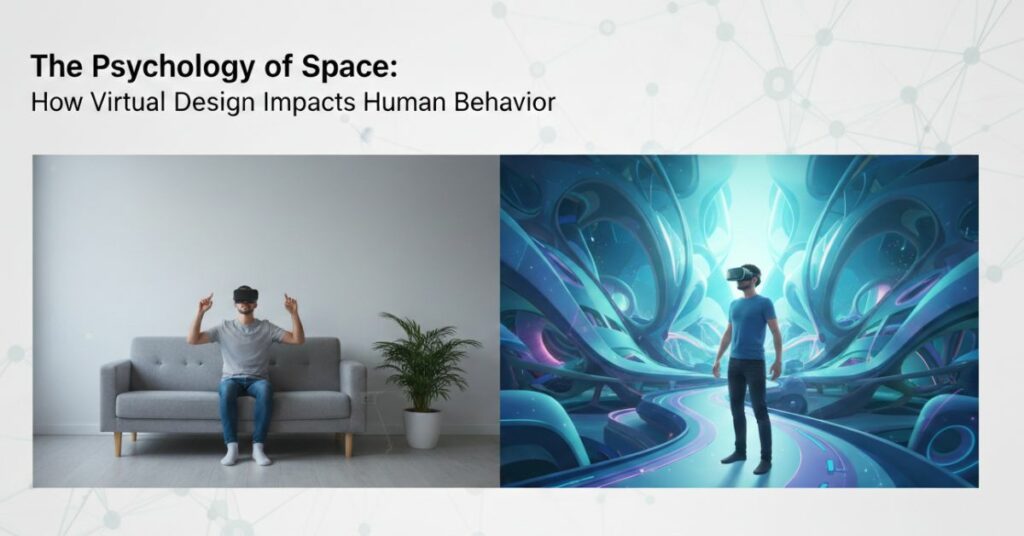
Have you ever entered a website, app, or digital space and instantly felt comfortable or confused without knowing why? That feeling comes from the psychology of space. Just like physical environments affect our mood and behavior, digital environments influence how we think, feel, and respond. Virtual design plays a key role in shaping these experiences, from how we navigate a platform to how long we stay engaged. The layout, colors, and structure of a virtual space quietly guide our attention and decisions. Understanding this connection can change the way we experience digital spaces and help designers create more meaningful experiences.
Understanding the Connection Between Virtual Design and Interior Psychology
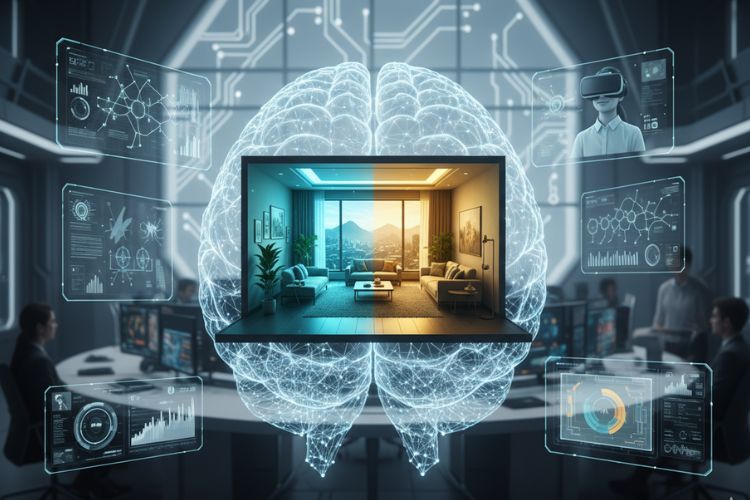
The psychology of space has always played an important role in architecture and interior environments. Elements such as lighting, layout, scale, and texture shape how people feel within a space. These same ideas now influence digital environments as well. Interior psychology helps explain why some digital layouts feel calm and intuitive while others feel cluttered or difficult to navigate, even though they exist only on a screen.
Virtual design is inspired by how people experience real spaces. Structure, flow, and proportion help guide users as they move through a digital environment. When these elements are used thoughtfully, the experience feels smooth and easy to follow. When they are ignored, users can feel confused or unsure about where to direct their attention.
How Space Design Principles Shape Digital Environments?
Good space design isn’t just about looks. It’s about helping people move through a space, understand it quickly, and feel comfortable using it. The same ideas apply to websites and digital platforms. Visual hierarchy lets users see what’s most important first, spacing makes content easier to process, and consistency builds trust. When these principles are used well, navigation feels smooth, and the experience feels more connected and intuitive.
The Role of Virtual Interior Design in Emotional Experience
Virtual interior design focuses on creating digital environments that feel realistic, comforting, and purposeful. This is especially important in virtual offices, online learning spaces, wellness apps, and immersive platforms. People respond emotionally to these environments even when they know they are not physical.
Virtual Interior Design in Workspaces and Learning Environments
In digital workspaces, virtual interior design can help people stay focused and work more comfortably. Soft colors, organized layouts, and clear structure make it easier to concentrate. In online learning spaces, good design encourages participation and helps users understand information more easily. These responses are closely linked to interior psychology and the way people naturally react to visual environments.
Virtual interior design also helps build trust. A healthcare platform that feels calm and organized will naturally feel more credible than one that feels cluttered and chaotic. Emotional safety matters even in digital settings.
Human Behavior Design and Its Influence on Digital Interaction
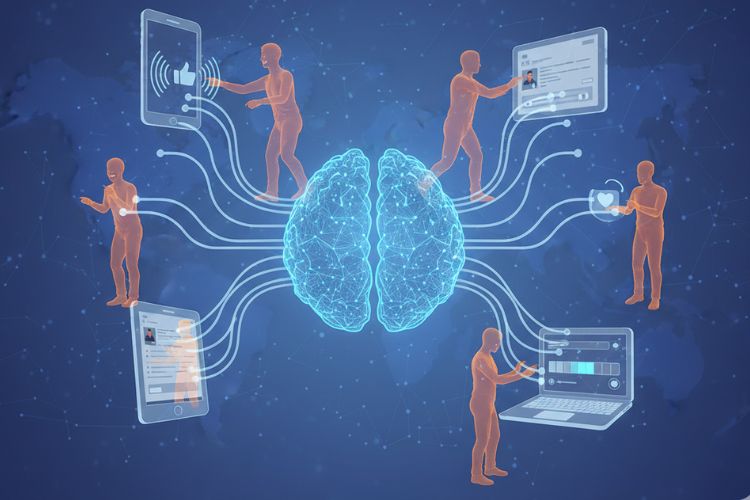
Human behavior design focuses on understanding how people think, decide, and act within structured environments. In digital spaces, this means predicting how users will move through content, where they will hesitate, and what will motivate them to continue.
Good Human behavior design respects user intent. It supports clarity instead of manipulation. When applied correctly, it makes digital environments feel supportive rather than controlling. This approach helps users feel more confident in their decisions and more comfortable in their interactions.
Designers who offer a virtual design consultation often see better engagement because the experience aligns with natural cognitive patterns. Users do not have to work hard to understand what to do next. The space guides them gently.
Applying Behavioral Design to Improve User Experience
Behavioral design looks at how simple design choices shape the way people interact with a digital space. Where a button is placed, how important elements stand out, the timing of feedback, and even the words used on a screen can influence user decisions. When applied to virtual design, these small details can make the experience feel smoother, clearer, and more intuitive.
Well applied Behavioral design encourages healthy patterns. It can help users complete tasks more easily, reduce frustration, and support long-term satisfaction. Poorly applied Behavioral design can feel intrusive and lead to distrust. The difference lies in intention and balance.
Designers who study psychology tend to focus on guiding rather than pushing. They build environments that respect attention and encourage thoughtful interaction instead of impulsive behavior.
Why Virtual Design Has Such a Strong Impact on Perception?
People form opinions about digital environments in seconds. They decide whether a platform feels trustworthy, confusing, welcoming, or distant almost instantly. Virtual design shapes this perception through structure, rhythm, tone, and clarity.
Color shapes how people feel in a digital space. Spacing affects how easily they understand content. Typography plays a role in whether a platform feels trustworthy or unprofessional. These elements are not just visual choices. They trigger real psychological reactions that guide how users interact with an experience. When designers understand this relationship, they can create environments that feel thoughtful and engaging rather than cold or technical.
This is also where interior psychology plays a deeper role. People seek comfort and familiarity even in digital environments. Platforms that reflect these psychological needs tend to build stronger emotional bonds.
Virtual Interior Design and the Sense of Presence
One of the goals of virtual interior design is to create a sense of presence. Presence is the feeling that you are truly inside an environment rather than simply observing it. This is especially relevant in immersive experiences such as virtual showrooms, remote collaboration tools, and digital wellness spaces.
The stronger and more consistent the design feels, the more people feel like they are really inside the space. Elements like consistent lighting, clear layout, and smooth visual flow all help create that feeling of presence. Again, the principles of interior psychology guide how this presence is formed and sustained.
The Growing Importance of Virtual Design in Professional Services
As more services move online, virtual design has become central to how brands connect with people. It goes beyond looks, shaping how users feel, how easily they interact, and how much they trust a platform. Businesses that focus on thoughtful digital experiences often see higher engagement and stronger customer relationships.
Many companies now bring in experts so their platforms feel more intuitive and user-friendly rather than confusing. This is especially true in sectors like wellness, education, real estate, and technology. Some businesses even choose to work with agencies offering design consultation to make sure their digital presence reflects both a strong aesthetic sense and a deep understanding of how people behave online. The aim is not just visual improvement, but design that supports real user needs and business goals.
Human Behavior Design in Ethical Digital Experiences
Designers have a real influence on how people behave, feel, and make decisions in digital spaces. With that influence comes responsibility. Ethical design means creating digital experiences that respect users, support their well-being, and avoid tricks or manipulative tactics that push people into choices they didn’t intend.
Good design helps users feel confident and in control. That includes clear navigation, straightforward feedback, and giving people choices rather than pressuring them. When digital spaces are built with empathy and respect for human psychology, they feel more welcoming and less tiring to use.
The Future of Virtual Design and Psychological Spaces
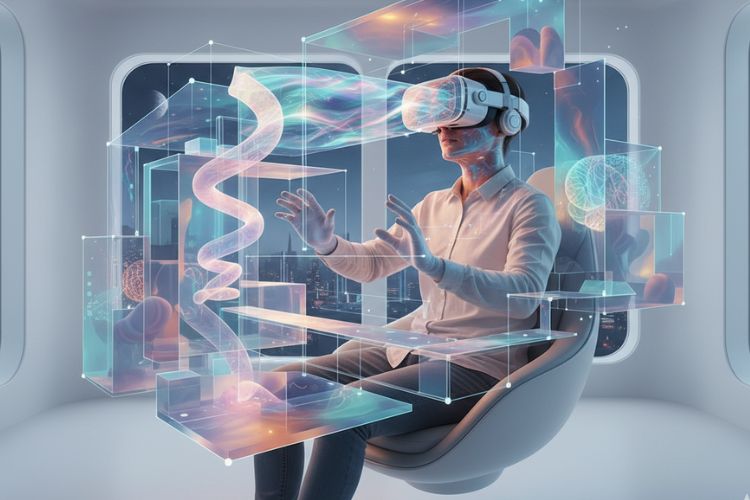
The future of virtual design is moving toward more adaptive environments. Interfaces are becoming more personalized. Digital spaces are responding to user behavior in real time. This evolution makes the role of psychology even more important.
As technology becomes more immersive, the line between physical and digital experience will continue to blur. Virtual interior design will play a greater role in shaping how people feel within these spaces. Designers who understand interior psychology and behavior will lead this shift.
We are already seeing this in virtual events, online therapy platforms, remote collaboration tools, and immersive brand environments. The demand for psychologically informed design will only grow.
Conclusion
Digital spaces now shape how people think and feel, not just how they use technology. Virtual design influences real behavior, which is why thoughtful structure and attention to human needs matter. When guided by space design principles and behavioral understanding, digital environments feel more natural and supportive.
As virtual interior design evolves, designers carry greater responsibility. With the support of interior psychology and empathy, digital spaces can become places where people feel comfortable and understood.
If you are ready to elevate your space, Design Konst offers thoughtful, psychology-led design solutions that transform both physical and digital environments into meaningful experiences.
Faqs:
What design elements most affect human behavior in virtual spaces?
Color, spacing, and how information is organized can change how people feel and act online. These elements help guide attention and make content easier to understand.
How does virtual design influence the way people behave online?
Virtual design affects how users move through a site or app and how easily they complete tasks. Clear structure and thoughtful layout make interactions feel more natural and smooth.
Why do people respond emotionally to digital environments?
People react to digital spaces much like physical ones. Visual cues like color and organization trigger emotional and cognitive responses based on how humans perceive their surroundings. This helps explain why some designs feel welcoming while others feel frustrating.