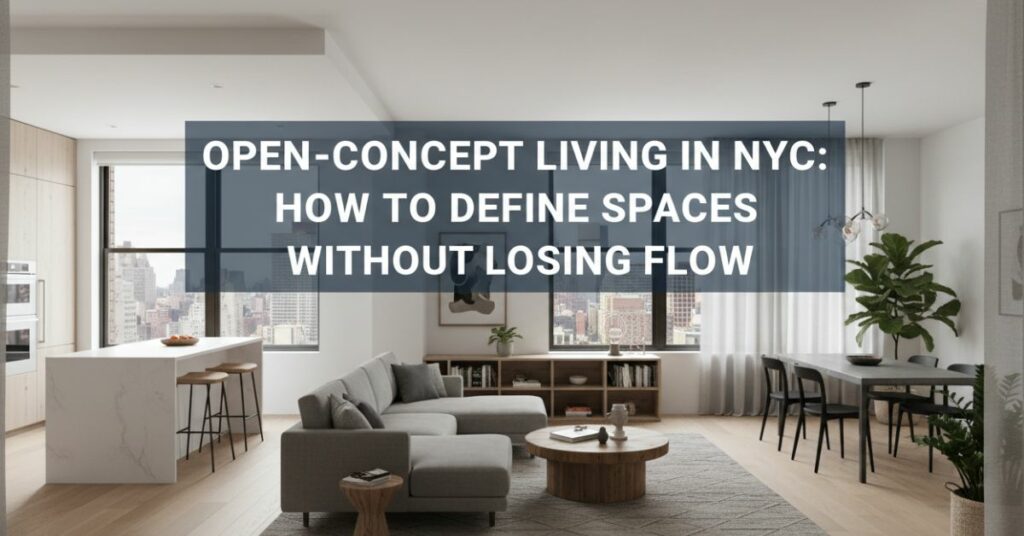
An open space can look great at first, but living in it is a different story. Without clear boundaries, everything can start to feel mixed together, and the layout doesn’t always make sense.
Open layouts are common in city homes, especially in apartments where space is limited. They feel modern and spacious, but they can also be tricky to organize. Many people struggle to define different areas without adding walls or making the space feel crowded.
Understanding what open concept living is helps you use the space more effectively. It’s about creating a layout where different areas connect naturally while still serving their own purpose. With the right approach, you can keep the openness while making the space feel more structured and comfortable.
Why Open Layouts Can Feel Hard to Organize?
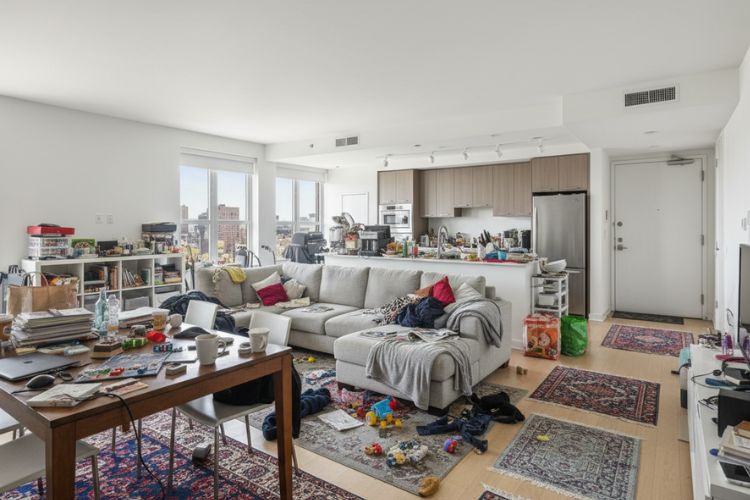
Open spaces don’t have built-in boundaries, so different areas can start to blend together. Without a clear plan, the living room, dining area, and kitchen may feel like one continuous space without any structure.
This often happens in both large apartments and small house open concept kitchen and living room setups. When there’s no clear separation, furniture can feel out of place, and the overall layout may seem incomplete. The goal is to bring in some structure while still keeping the space open and easy to move through.
Open Concept Living Ideas That Actually Work
An open layout can feel easy at first, but it often needs a bit of direction to work properly. When everything is left completely open, the space can start to feel unclear. The goal is not to divide it, but to give each part a purpose so the layout feels more put together.
A few thoughtful adjustments can help bring that structure in. Things like how you arrange furniture, use lighting, or add small visual cues can shape the space without making it feel closed. In some cases, solutions like custom furniture and cabinetry can also help define areas more clearly while making better use of the available space.
The ideas below focus on simple ways to make each area feel defined while still keeping that open feel.
Use Furniture to Shape the Layout
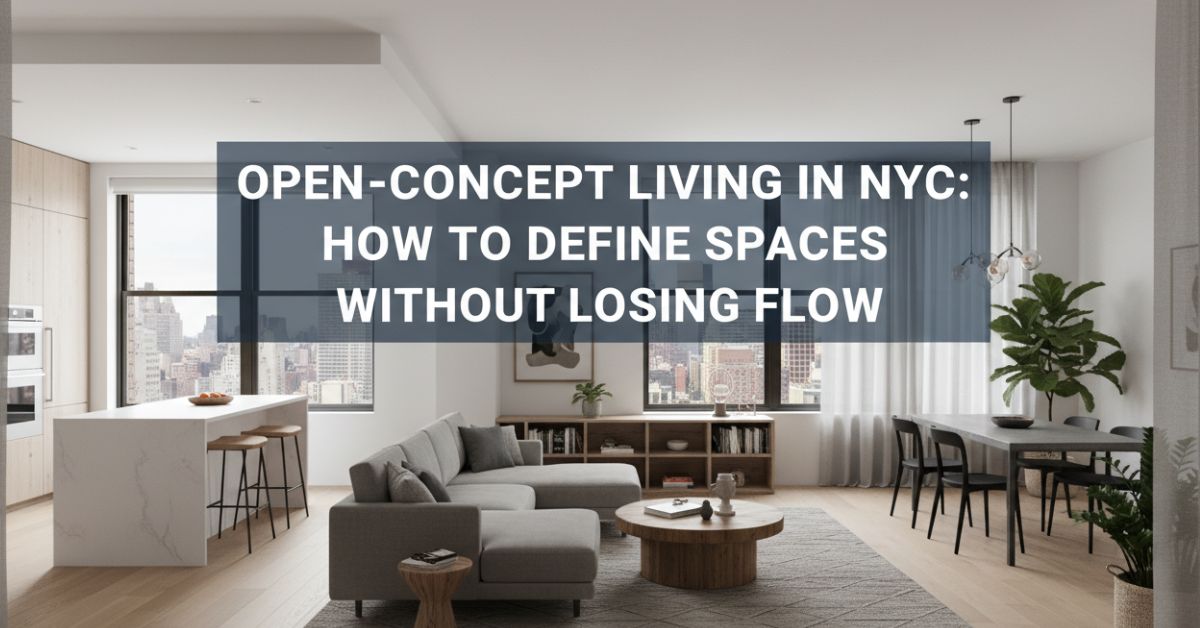
The arrangement of the furniture can influence how the room is used. Consider each element as a component of the plan rather than just filling the space. A dining table naturally forms its own zone, but a sofa might face a specific direction to suggest a living room.
A sideboard or an open shelf is an example of a simple improvement that can subtly break things up. Although they don’t take up much room, these elements make everything seem more organized and comprehensible.
Use Rugs to Create Visual Sections
Rugs are an easy way to mark out different areas without changing the structure of the room. One beneath the dining table aids in defining that area, and another beneath the sofa might serve as an anchor for the seating area.
It’s a small detail, but it makes things feel more organized. In an open concept kitchen living room, this kind of visual separation helps everything feel clear without interrupting movement.
Lighting Can Define Each Area
Lighting does more than just brighten a room. It can also shape how each part of the space feels. Instead of relying on one main light, using a mix of sources makes a noticeable difference.
A pendant above the dining table, a floor lamp near the sofa, or focused lighting in the kitchen can each set a different tone. Even in a small house, an open concept kitchen and living room, this helps break things up in a subtle way.
Use Color and Materials to Create Separation
Physical boundaries are not always necessary to generate contrast. Sometimes a slight change in material or color is sufficient. Each area may be made to stand out without being overt by using a different finish in the kitchen or a slightly deeper tone in the living room.
Repeating content within each zone is another helpful strategy. Each room can be somewhat grounded by using stone in the kitchen or warm wood in the seating area. It seems open while maintaining organization.
Smart Layout Tips for Small NYC Apartments
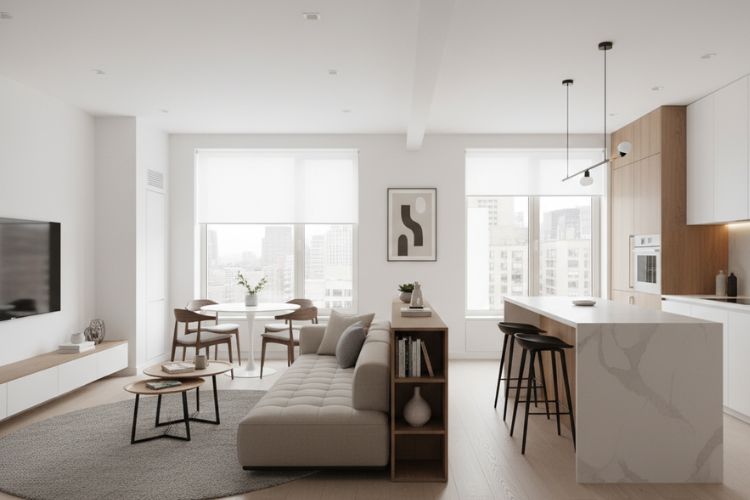
Small spaces need careful planning. The goal is to make every part of the layout useful without overcrowding it.
A few simple open concept living ideas can make a big difference in how the space works.
- Choose furniture that can serve more than one purpose
- Keep walkways open to facilitate simple mobility.
- Instead of packing everything into one place, spread it out.
- Utilize vertical storage to make room on the floor.
These minor adjustments can make the area feel more spacious, well-organized, and cozy.
Maintaining Flow Without Clutter
One of the biggest mistakes in open layouts is trying to divide the space too much. Adding too many elements can make the area feel crowded instead of organized.
In a good open-plan apartment design, each section should feel defined but still connected. Keeping furniture simple and spacing consistent helps maintain that balance.
When to Get Professional Help
Certain designs are more difficult to maintain, particularly when there is little or no space. In these situations, seeking professional advice might help you avoid frequent mistakes and save time.
Working with an experienced interior designer can help you plan the layout properly and make better use of your space. They can suggest solutions that are both practical and visually balanced.
Conclusion
A space doesn’t need walls to feel organized. What really matters is how each area is planned and connected. When everything is placed with intention, an open layout can feel both clear and comfortable at the same time.
With the right open concept living ideas, it becomes easier to define different zones without breaking the flow. Small changes in layout, lighting, and furniture can go a long way in making the space feel more natural and easy to live in.
FAQs
What is open concept living?
It refers to a layout where multiple areas, like the kitchen, dining, and living spaces,e are combined into one open area without walls.
How to arrange living room furniture in an open concept?
Start by using your sofa to define the living area. Place it facing a focal point like a TV or wall, and use rugs or lighting to create separation from other areas.
Is an open concept a good choice for small apartments?
Yes, it can make a small space feel more open and less cramped. But it only works well when the layout is planned carefully, so the space doesn’t start to feel messy or overcrowded.
How can you separate spaces without adding walls?
You can create separation by using furniture, rugs, lighting, or even slight color changes. These elements help define different areas while still keeping the space open and easy to move through.
What works best in an open concept kitchen and living room?
A simple layout usually works best. Thoughtful furniture placement, the right lighting, and keeping things minimal can help the space feel both practical and visually clean without losing its openness.