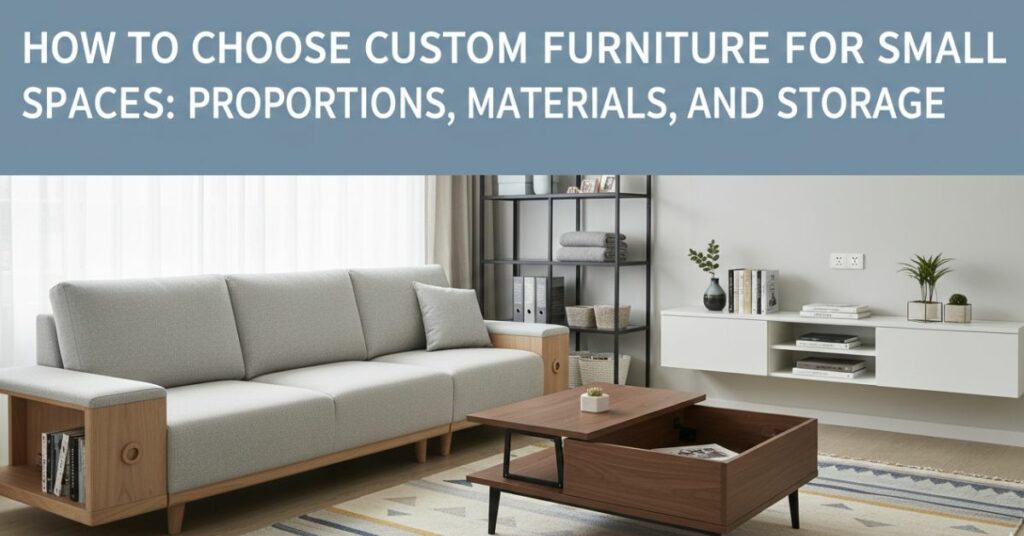
Small spaces can feel frustrating, but not always for the reason people think. It is rarely about the square footage alone. More often, it comes down to furniture that does not quite belong in the space. A sofa feels slightly too deep, a table interrupts movement, or storage pieces make the room feel heavier instead of more organized.
This is where custom furniture design starts to make real sense. Instead of adjusting your space again and again, you begin to shape furniture around how you actually live. It feels more natural, more comfortable, and much easier to maintain. If you have ever wondered why some small homes feel calm and open while others feel crowded, the answer is usually in the details we are about to talk about.
Why Custom Furniture Design Is Ideal for Small Spaces
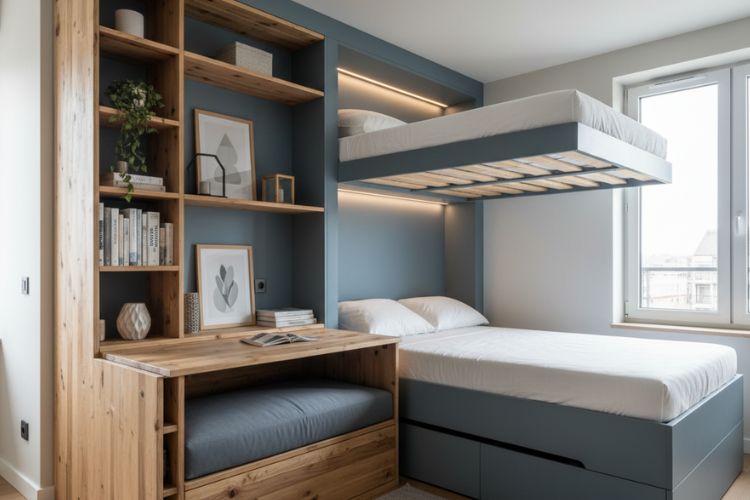
Have you ever bought furniture that looked perfect in the store but felt completely wrong at home? That happens because most furniture is made for average layouts, not for your specific space.
In smaller homes, even a few inches can change everything. A piece that is slightly oversized can block movement or make the room feel tight. This is why custom furniture design works so well. It allows you to use every part of your space with intention instead of leaving awkward gaps or forcing things to fit.
People often start by searching for small space furniture ideas, but they quickly realize that ready-made options only solve part of the problem. Many also explore home renovation services to improve layout and functionality, but custom furniture offers a more precise solution. It gives you flexibility and helps your space feel designed, not just furnished.
Understanding Proportions in Custom Furniture Design
Proportion is one of those things people do not notice until it feels wrong. You walk into a room, and something feels off, but you cannot always explain why.
In small spaces, this becomes even more important. A sofa does not have to be large to feel overwhelming. Sometimes it is the depth, the height, or even how it sits in the room that changes everything.
Good custom furniture design focuses on how a piece relates to the space around it. For example, lower seating can make ceilings feel higher. Slimmer furniture can create more breathing room. Even small details like raised legs allow light to move through the room, which makes it feel more open.
When thinking about furniture proportions in small rooms, it helps to ask simple questions. Can you move easily around it? Does it feel balanced with the rest of the space? If the answer is no, the proportions probably need adjusting.
Choosing the Right Materials for Custom Furniture
Materials do more than define how furniture looks. They influence how a space feels the moment you walk into it.
In smaller homes, heavy materials can make everything feel dense. Dark finishes and thick surfaces tend to absorb light, which can make the room feel more enclosed. That does not mean you have to avoid them completely, but they need to be used carefully.
Lighter materials often work better in compact spaces. Softer wood tones bring warmth without feeling too heavy. Glass elements can make furniture feel almost invisible, which helps maintain openness. Metal accents add structure without adding bulk.
This balance is often seen in space-saving furniture design, where the goal is to keep things practical without overwhelming the space. At the same time, durability still matters. Small spaces are used more often, so materials should be strong enough to handle everyday use while still looking refined.
Smart Storage Solutions in Custom Furniture Design
If there is one thing every small space needs, it is better storage. But adding more storage units is not always the answer. In many cases, it just creates more visual clutter.
A better approach is to build storage into the furniture you already have. This is where custom furniture design becomes especially useful. Instead of separate pieces, everything starts to work together.
Take seating, for example. A simple bench can be designed as built-in seating with storage, giving you a place to sit and a place to store things at the same time. It keeps the space clean without adding anything extra.
The same idea works across the home. Beds can include hidden compartments. Tables can expand when needed. Shelving can be built into walls instead of being added later. These solutions are part of what makes multifunctional furniture for apartments so effective. Every piece has a purpose, and often more than one.
Design Techniques to Make Small Spaces Feel Bigger
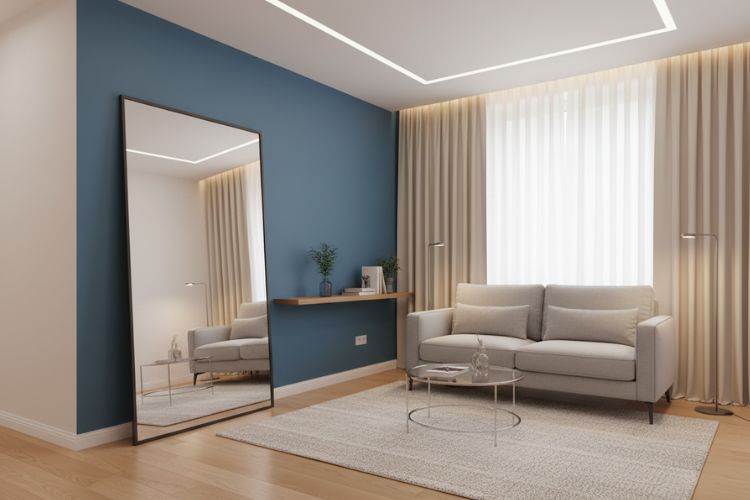
- Making a space feel larger does not always require structural changes. Often, it comes down to how the space is designed.
- Clean lines allow the eye to move freely, which helps the room feel more open. When furniture is simple and consistent, the space feels less cluttered and more balanced.
- Color also plays a role. Instead of strong contrasts, softer and cohesive tones create a smoother visual flow. The space feels calm rather than divided.
- Lighting is equally important. A well-lit room naturally feels more spacious. Reflective surfaces,s such as glass or polished finishes, can help distribute light and add depth without introducing additional furniture.
- These techniques work well alongside built-in seating with storage, as they help maintain both functionality and visual clarity.
When to Invest in Custom Furniture Design
There are moments when standard furniture simply does not work. Maybe your layout feels awkward, or storage is never enough. Sometimes the space just never feels right, no matter how you arrange it.
This is when custom furniture design becomes a smart investment. Instead of adjusting your lifestyle around furniture, you create solutions that match how you actually live.
If you are considering professional help, exploring furniture design services can give you a clearer idea of what is possible. Working with experienced designers allows you to approach your space with a strategy rather than guesswork.
Key Takeaways Before Choosing Custom Furniture
A small space does not need more furniture. It needs better decisions.
The most effective approach is to focus on balance. Choose proportions that allow movement, materials that keep the space light, and storage solutions that are integrated rather than added separately.
Many of the best small-space furniture ideas follow this principle. They are simple, practical, and designed with intention
Conclusion
Designing a small space is not about limitation. It is about clarity. When every piece has a purpose and fits the space properly, the entire room begins to feel more comfortable and easier to use.
With the right approach, custom furniture design allows you to create a space that works naturally. It brings together function, simplicity, and comfort in a way that standard furniture often cannot.
If you are planning a bigger transformation, it can also help to think about how the overall layout and design will come together into a cohesive and well-balanced environment. Working with a studio like Design Konstructive can make this process more thoughtful, ensuring every detail fits your space and lifestyle.
FAQs
What is custom furniture design?
It is furniture created specifically for your space based on your layout and needs.
Is custom furniture good for small spaces?
Yes, it helps maximize space and improve functionality.
What materials are best for small space furniture?
Lighter woods, glass, and metal work well to keep spaces open.
How do I maximize storage in a small room?
Use built-in and multi-functional furniture solutions.
How long does custom furniture take to make?
It usually takes a few weeks, depending on the design.