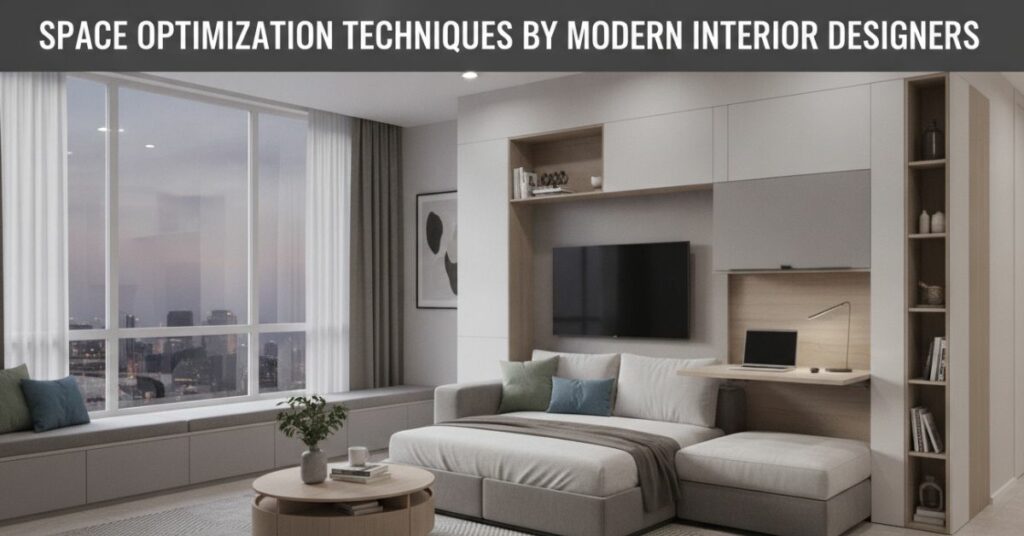
Living space has become more valuable than ever. Whether it is a city apartment or a family home, people want rooms that feel open, organized, and comfortable without sacrificing style. That is why space optimization plays such an important role in modern interior design. The goal is not to make a room look empty but to help every part of it serve a purpose.
Professional designers rarely begin with decorations or color samples. They first study how people use a room each day. Through careful interior space planning, they create spaces that are easier to live in and easier to maintain.
Smart Layouts Come Before Furniture
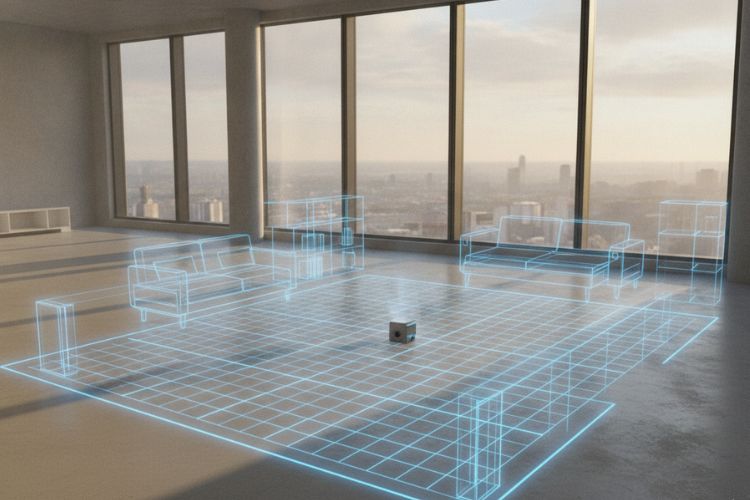
The first decision is often where things should go rather than what should be bought. A poorly arranged room can feel crowded even when it contains only a few pieces of furniture. On the other hand, a thoughtful layout can make a modest home feel much larger.
Designers give consideration to pathways that people walk, the swinging of doors, and how families move from one space to another. They also give thought to natural light and everyday activities. The placement of furniture, such as sofas that hinder the pathway,s or placing a table near the kitchen,n is considered frustrating.
Sometimes the best improvement costs nothing at all. Simply relocating furniture can improve space management, increase comfort, and create a more balanced modern home layout.
Homeowners looking for professional guidance often consult the best modern interior designer in NYC to rethink layouts before investing in expensive renovations.
Multifunctional Pieces That Reduce Clutter
Furniture that serves two purposes has become a practical solution for many homes. The storage bed can store extra bedding and seasonal clothes. The coffee table with storage will hide all the necessary things. Extendable tables will be useful for entertaining guests occasionally.
These choices reduce clutter without reducing comfort. They also support minimal interior design because fewer individual pieces are needed to perform everyday tasks.
Multifunctional furniture works especially well in apartments, guest rooms, and studio spaces where every square foot matters. Instead of filling a room with extra cabinets, one carefully selected piece can solve several storage challenges.
Making Use of Walls, Corners, and Other Overlooked Areas
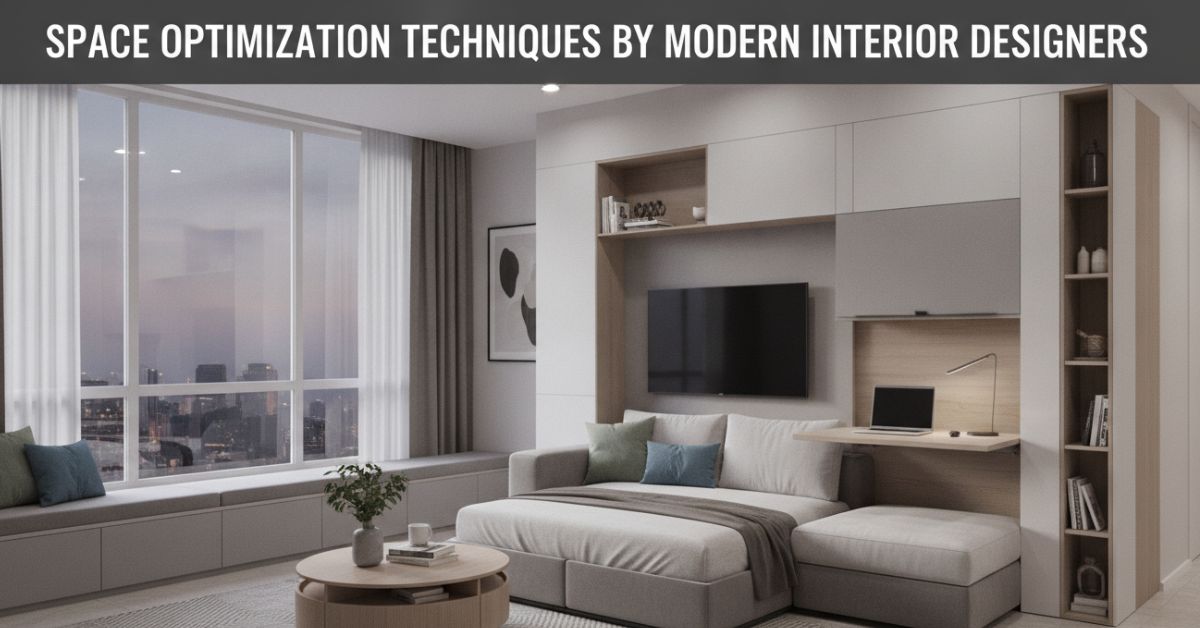
Some of the most valuable storage opportunities are easy to miss. Designers often turn empty walls into shelving, install cabinets that reach the ceiling, or add storage beneath staircases. Small alcoves can become reading nooks or compact workstations instead of wasted space.
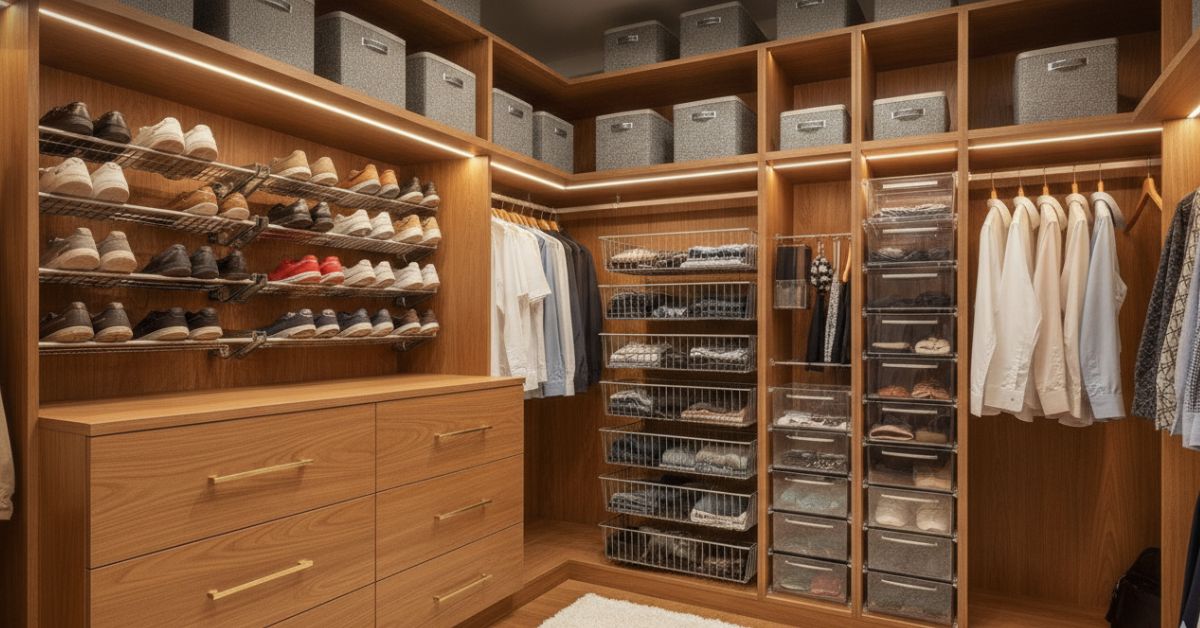
Vertical thinking is an important part of space optimization because it frees up floor area while increasing storage capacity. This approach also keeps rooms visually cleaner since belongings have dedicated places to stay.
Good interior planning goes further than finding apparent solutions. The tight hallway may contain slender cabinets, the forgotten corner may contain floating shelves, and the space under the windows may become a useful seat with built-in storage capacity.
Design Tricks That Change How a Room Feels
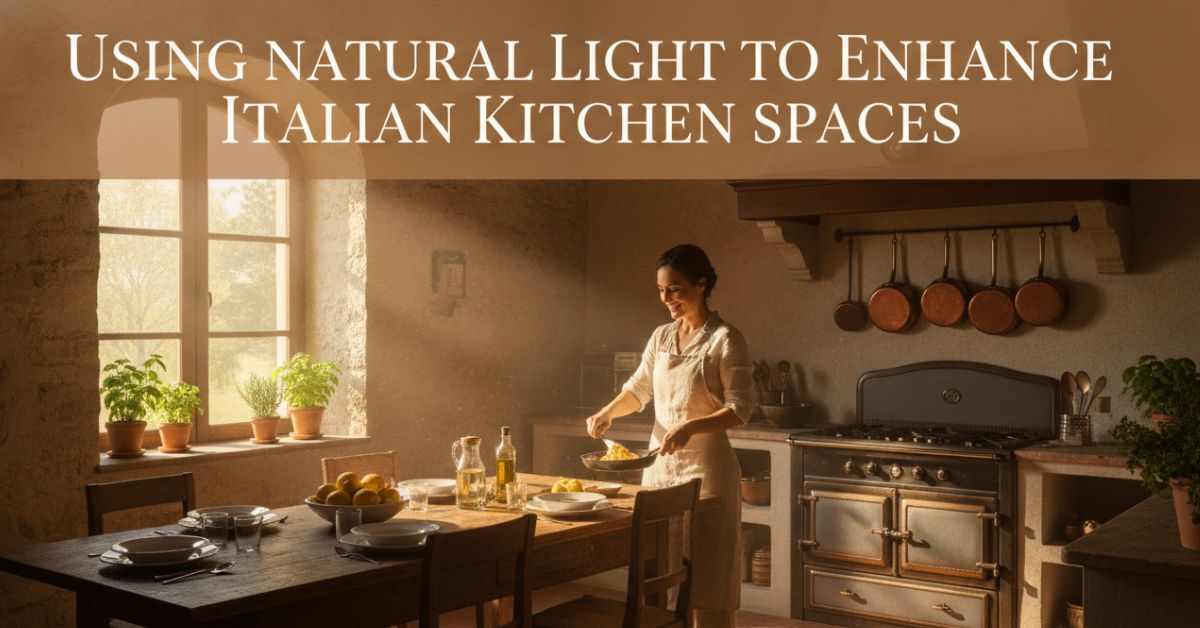
Not every improvement requires construction. Visual details can influence how spacious a room appears. Mirrors reflect light and create the impression of greater depth. Large windows and light curtains brighten interiors and reduce the feeling of confinement.
Color is another important element to consider. The use of neutral colors and uniform finishes can assist in creating a more serene environment. Furniture designs made from glass enable natural light to pass through the area and are not obstructed by furniture pieces that block light.
Such strategies work well with the concept of modern interior design, which avoids clutter by avoiding decorations. Minimal interior design is an approach that works perfectly with such approaches.
Custom Solutions for Different Rooms
Every room serves a different purpose, so designers adjust their approach instead of applying one formula everywhere.
Living rooms
Furniture that allows for both conversation and mobility is useful in living rooms. Furniture with storage options, such as in media centers or benches, can help store common items. Additionally, the flexibility of seating makes it simpler to accommodate guests without interrupting the modern flow of the entire home.
Kitchens
Storage in the kitchen must be efficient in terms of both storage volume and space management. Removing and organizing the shelves from the pantry, arranging the drawers, and opening up space with tall cabinets enable homeowners to access items conveniently while maximizing space usage.
Bedrooms
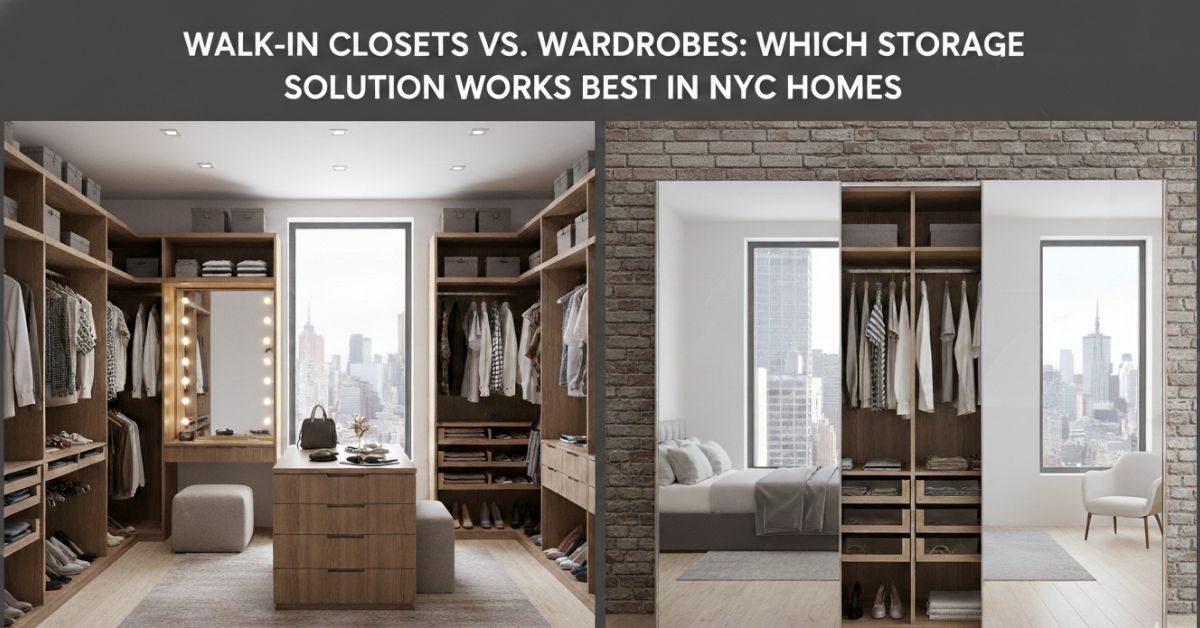
Bedrooms need to be soothing, not overcrowded. Beds have space under them for storage, while fitted wardrobes and drawers on nightstands ensure there is storage space without extra furniture. Proper sizing of furniture according to the bedroom ensures the room isn’t cluttered.
Home offices
Remote work has increased the need for compact office solutions. Wall-mounted desks, floating shelves, and vertical organizers create productive work areas even in small rooms. A tidy workspace often improves focus and keeps the rest of the home organized.
Common Design Choices That Waste Space
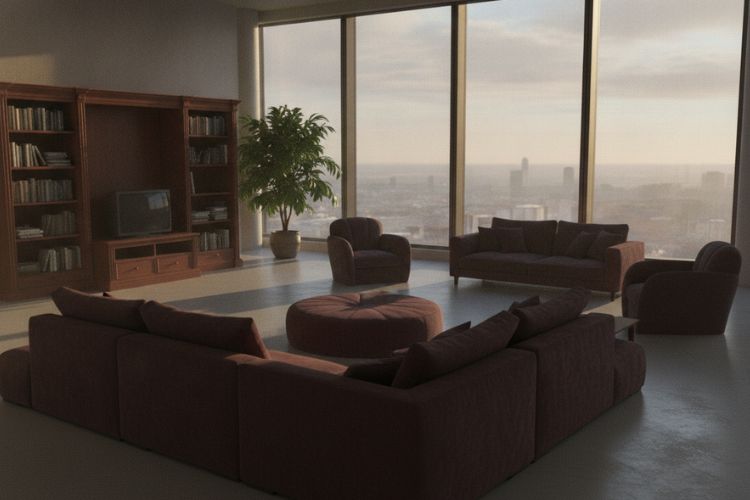
Many homes lose valuable space because of avoidable mistakes. Oversized furniture is one of the most common issues. A large sectional sofa may look appealing in a showroom, but overwhelm a smaller living area.
The lack of proper storage will create yet another problem since the temporary storage of items that you use daily will eventually clutter your decorative baskets. Moreover, placing heavy furniture before windows to block them will minimize sunlight entering the room.
The success of contemporary interior design comes from achieving the right balance between aesthetics and functionality. All items must serve a purpose, either for comfort, utility, or convenience. It is also worth noting that some homeowners incorporate luxury interior designs with practicality in mind as well, incorporating custom cabinets and built-ins for a functional yet elegant interior design.
Conclusion
A larger home is not always the answer to better living. Often, the real improvement comes from using existing space more thoughtfully. Careful layouts, flexible furniture, hidden storage, and visual balance all help create rooms that feel comfortable and organized.
The best results come from understanding how people live each day and designing around those habits. That simple approach is what makes modern interior design so effective in homes of every size.
Homeowners who want expert guidance on space optimization can consider Design Konstructive, a New York-based interior design studio. The team creates custom layouts, cabinetry, and storage solutions that improve functionality without compromising style, helping clients make better use of apartments, condos, and residential spaces through thoughtful planning.
FAQs
What is the first thing interior designers consider when optimizing space?
They usually begin with layout and movement. Understanding how people use a room helps determine the best placement for furniture and storage.
Do built-in storage solutions always save more space than freestanding furniture?
Not always, but built-in features often make better use of awkward areas such as alcoves and spaces beneath stairs while keeping rooms visually clean.
Are minor adjustments in design enough to create a much bigger appearance?
Yes. Simple things such as moving furniture around, enhancing the lighting, installing mirrors, and decluttering can create a great effect without making any extensive changes.
What room in the house is likely to be positively affected by space optimization the most?
The kitchen, living room, and bedroom are some rooms that benefit the most from space optimization.